
RATS IN LOFTS • CORNWALL
Scratching above the ceiling?
Loft noises can be unsettling, but identification comes first. We inspect the evidence, likely routes and conditions—not just the space where the sound was heard.
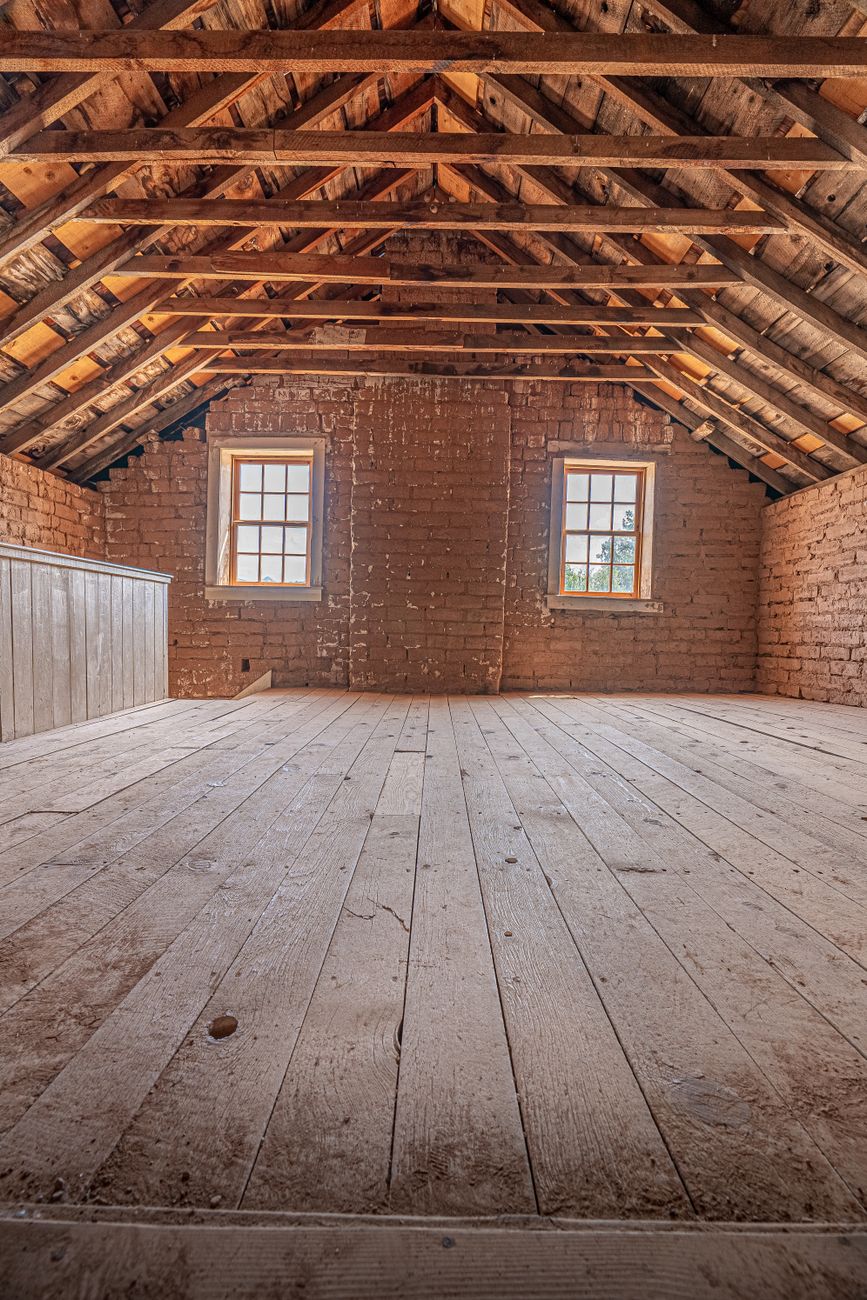
RATS IN LOFTS
The noise is upstairs. The access route may not be.
WHAT TO LOOK FOR
Signs that rats may be using a loft.
Night-time movement
Scratching, running or gnawing sounds often become noticeable when the building is quiet.
Physical evidence
Droppings, runs through insulation, nesting material, gnawing and staining may help identify activity.
Access clues
Service routes, wall cavities, roof junctions, adjoining buildings and lower-level entry can all be relevant.
HOW DO RATS REACH A LOFT?
The highest evidence is not always the original entrance.
Rats can climb, travel through cavities and follow service routes. In some properties the route begins outside at roof level; in others it starts near the ground, a connected structure or potentially the drainage system. The building’s construction and the pattern of evidence guide the investigation.
External fabric
Damaged vents, gaps, roof junctions or climbing access.
Internal voids
Wall cavities, boxed services, pipework routes and connected roofs.
Drain-related routes
Considered when evidence and layout support further investigation—not assumed automatically.
THE INVESTIGATION
What happens during a visit?
We review the history, inspect accessible evidence and surrounding areas, consider likely routes and contributing conditions, then explain appropriate control and next steps. Hidden construction can limit what any non-destructive inspection can confirm.
Useful information to send
- Your postcode and property type
- Where and when noises occur
- Photographs of droppings or damage
- Previous treatments or repairs
- Any history of drain defects or extensions
ENHANCED INSPECTION CAPABILITY
Another view of hard-to-reach loft entry points
Where appropriate, drone-assisted visual inspection and specialist cameras can help us examine rooflines, eaves and vents that cannot be assessed clearly from ground level. They complement the wider pest investigation; use is discretionary and subject to safety, privacy, weather and applicable flight requirements.
No additional charge when used as part of our standard pest investigation.
Explore our inspection technology & privacy promiseRelated rat advice
Let’s investigate the noise.
Serving Penryn, Falmouth, Helston, Truro, Redruth, Camborne and surrounding West and Mid Cornwall.
Request an inspection
