
FLEA CONTROL • CORNWALL
Break the flea life cycle properly.
Fleas can persist because eggs, larvae and pupae develop away from the animal. Successful control combines preparation, professional treatment where appropriate and veterinary care for pets.
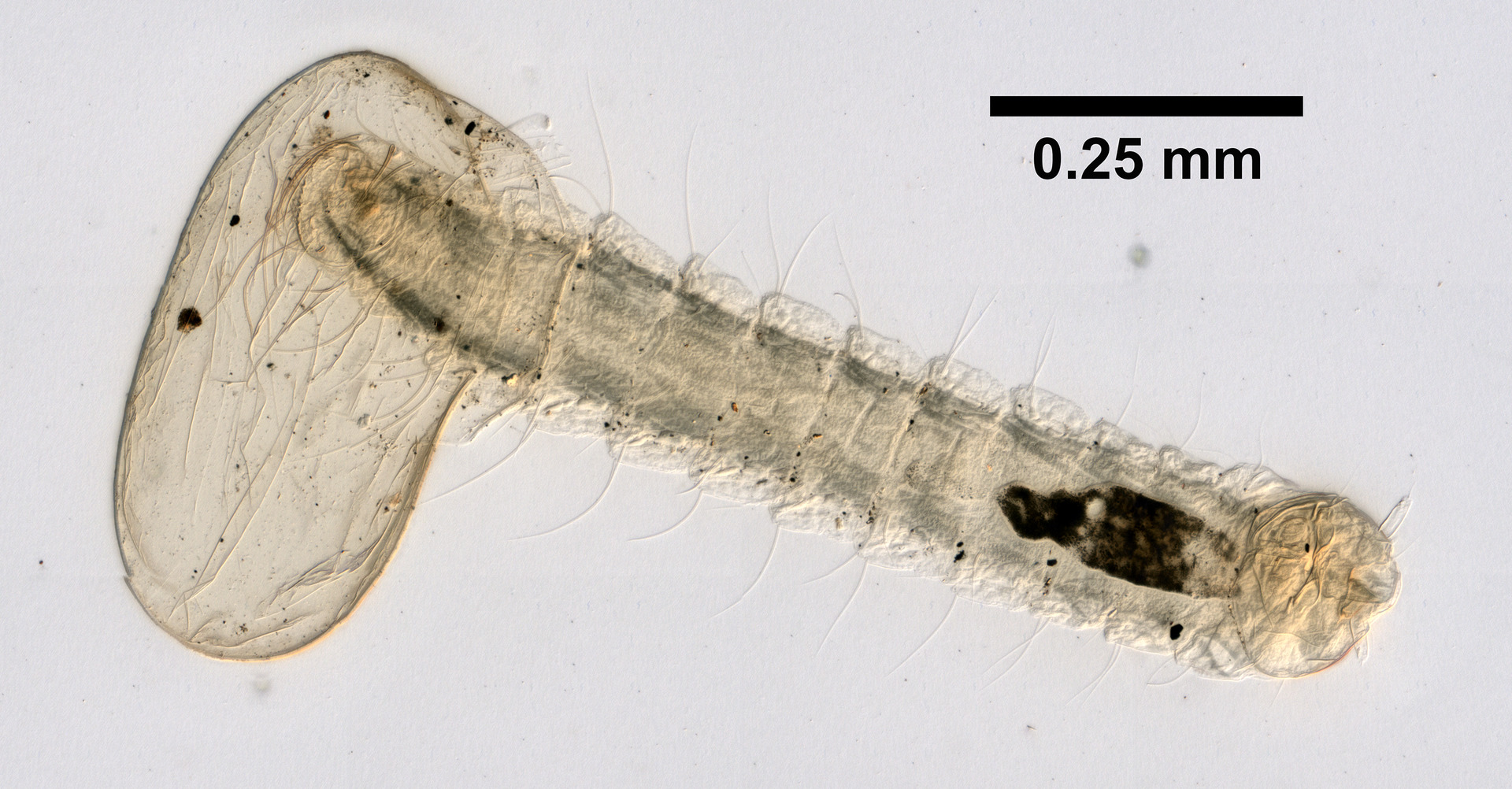
FLEA IDENTIFICATION
Treat the animal and the environment as one problem.
Identification comes before treatment.
Possible signs
Bites, pet scratching, dark specks or adult fleas seen on fabrics.
Life cycle matters
Immature stages can remain in carpets, cracks and resting areas.
Preparation helps
Thorough vacuuming and access to floors support an effective programme.
A coordinated programme
We confirm the likely pest, discuss pet treatment by a veterinary professional, explain preparation and apply an appropriate insecticidal programme when suitable. Follow-up expectations reflect the flea life cycle.
What happens next?
Tell us what you have noticed, where the activity is and your postcode. We will explain whether an inspection is appropriate, what information will help and the likely next step.
Need straightforward advice?
Call 07939 311883 or send your postcode, photographs and a short history.
Call Chris
