
CARPET MOTHS • CORNWALL
Protect natural fibres by finding the source.
Damage to wool carpets and other animal-based fibres may be caused by textile moth larvae. Inspection should distinguish moth activity from carpet beetles and identify affected material.
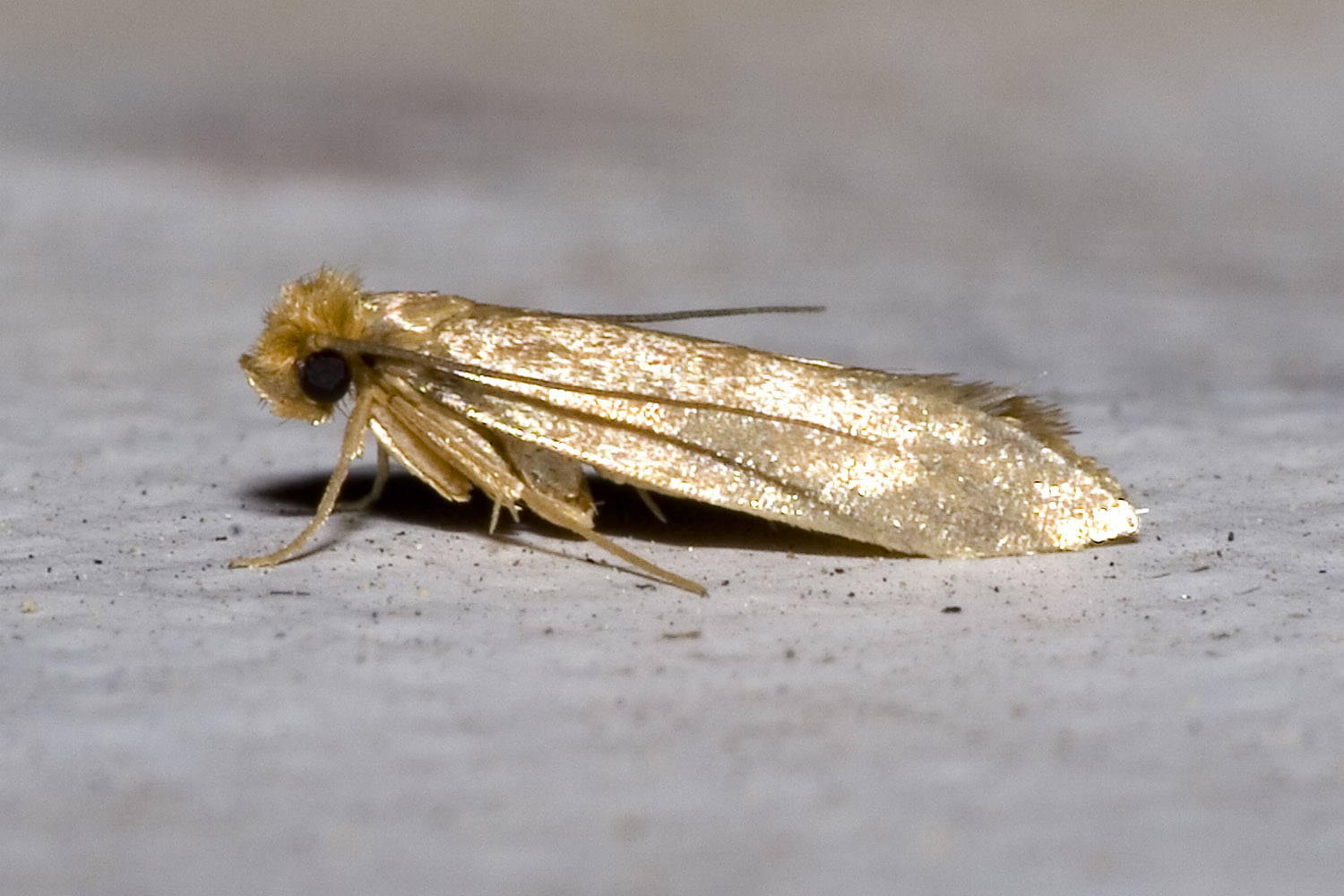
CARPET MOTH IDENTIFICATION
The larvae cause damage—not the flying adult alone.
Identification comes before treatment.
Typical evidence
Irregular fibre loss, larvae, cases, webbing or small adult moths.
Hidden areas
Edges, beneath furniture, quiet rooms, stored textiles and undisturbed dust.
Not every moth
Many outdoor moths are harmless indoors; identification prevents unnecessary treatment.
A targeted response
We inspect affected and vulnerable materials, assess distribution and advise on cleaning, storage, monitoring and targeted treatment where justified. Valuable or delicate items may need specialist conservation advice.
What happens next?
Tell us what you have noticed, where the activity is and your postcode. We will explain whether an inspection is appropriate, what information will help and the likely next step.
Need straightforward advice?
Call 07939 311883 or send your postcode, photographs and a short history.
Call Chris

