
MICE CONTROL • CORNWALL
Small signs can point to a bigger problem.
Mice exploit very small gaps and can live close to food, warmth and shelter. We assess evidence, likely routes and conditions before recommending safe, proportionate control.
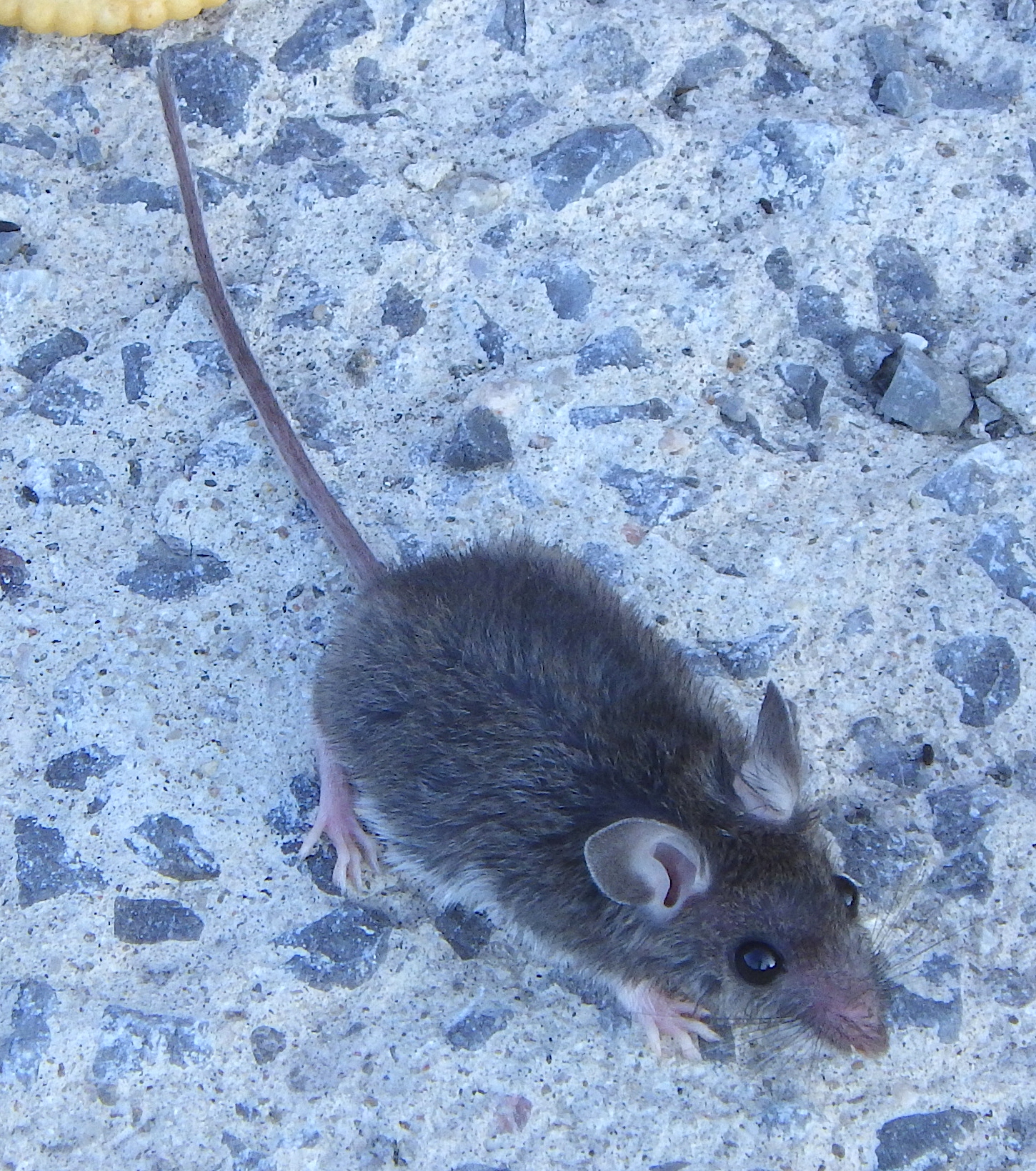
MOUSE IDENTIFICATION
Small signs can reveal a much larger route.
Identification comes before treatment.
Common signs
Small droppings, gnawing, nesting material, odour or movement sounds.
Typical locations
Kitchens, cupboards, lofts, garages, stores and service voids.
Why they persist
Food access, clutter, connected voids and unsealed routes can sustain activity.
Inspection and practical advice
We inspect accessible areas, distinguish signs from rat activity, assess harbourage and access, then recommend control, monitoring and practical proofing within our scope.
What happens next?
Tell us what you have noticed, where the activity is and your postcode. We will explain whether an inspection is appropriate, what information will help and the likely next step.
Need straightforward advice?
Call 07939 311883 or send your postcode, photographs and a short history.
Call Chris
